By the end of this article, you will know exactly which are the smallest countries in the world, where they are located, how many people live there, and what makes each one surprisingly remarkable giving you a complete picture that no quick Google search can offer.
Introduction
Most geography resources focus on big, powerful nations leaving the smallest countries in the world completely overlooked. If you’ve ever searched for accurate, easy-to-understand information about the world’s tiniest nations, you’ve probably landed on dry, data-heavy pages that feel more like a spreadsheet than an actual guide. That stops here. In this article, we break down the smallest countries in the world in a way that’s clear, engaging, and genuinely interesting covering their size, population, location, and the surprising facts that make these tiny nations worth knowing about.
What Are the Smallest Countries in the World?
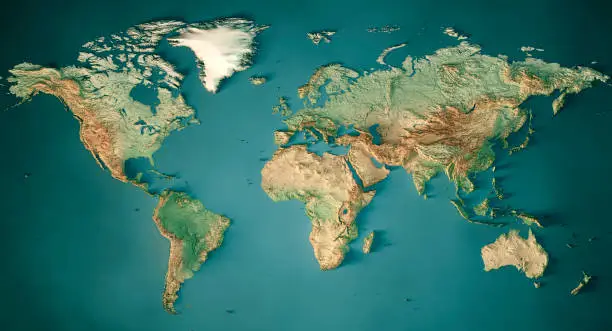
The world is home to 195 independent countries, ranging from giants like Russia to territories so tiny they fit within a single city. The smallest countries in the world are often overlooked in mainstream geography, yet these nations are full-fledged members of the international community with their own governments, cultures, and identities.
When measuring the smallest countries by area, total land area is the standard metric used globally. Some of these nations cover less than one square mile, making them smaller than many university campuses. Despite their small size, each of these countries has a unique story worth exploring.
Vatican City — The World’s Smallest Country
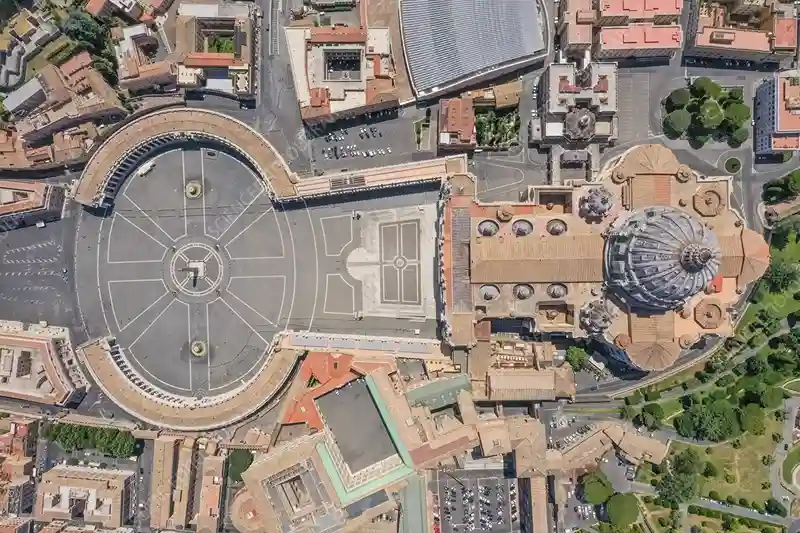
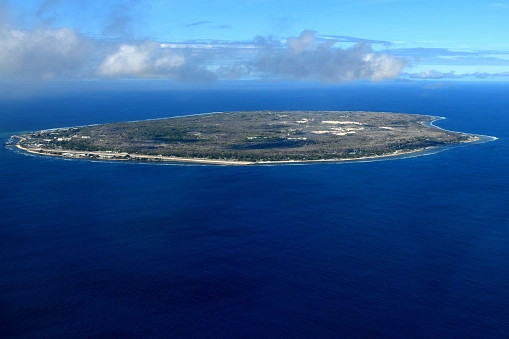
Vatican City is the smallest country in the world by both area and population, covering just 0.27 square miles in the heart of Europe. Surrounded by Italy on all sides, this remarkable microstate sits entirely within the city of Rome, making it the only country in the world located within a walled area of another nation’s capital.
Vatican City has a population of approximately 800 people, making it the least populated country in the world in terms of population. Despite its tiny land area, it holds enormous global influence as the headquarters of the Roman Catholic Church and the residence of the Pope.
The entire territory of Vatican City is recognised as a UNESCO World Heritage Site, celebrating its extraordinary concentration of art, architecture, and history within such a compact space.
Monaco — The World’s Second Smallest Country
Monaco is the world’s second-smallest country, covering a total area of just 0.77 square miles along the French Riviera. Despite being the second smallest country by land area, Monaco holds the remarkable distinction of being the most densely populated country in the world in terms of population per square kilometre.
This tiny city-state in Europe is famous for its luxury casinos, Formula One street circuit, and breathtaking Mediterranean coastline. Monaco became an independent country under the Grimaldi family in 1297 and has maintained its sovereignty ever since. For such a small country, Monaco punches far above its weight in terms of global recognition and wealth.
San Marino — The Third Smallest Country in the World
San Marino is the third-smallest country in the world, with a total land area of just 24 square miles nestled within northern Italy. Like Vatican City, San Marino is completely surrounded by Italy, making it one of only three countries in the world that is entirely landlocked within another single nation.
What makes San Marino particularly remarkable is its history — it is widely considered the oldest republic in the world, with origins dating back to 301 AD. San Marino is one of the smallest countries in the world that has never been conquered, maintaining its independence through centuries of European conflict.
The country abolished its army as a standing force, relying instead on diplomatic relationships and its status as one of the world’s most respected small countries for its security.
Liechtenstein — The Fourth Smallest Country
Liechtenstein is the fourth smallest country in the world, with a total area of just 62 square miles tucked between Switzerland and Austria in central Europe. This small country in central Europe is one of only two doubly landlocked countries in the world — meaning it is surrounded entirely by other landlocked nations.
Despite its modest land area, Liechtenstein has one of the highest GDP per capita figures globally, driven largely by its low-tax financial sector and thriving manufacturing industry. It is one of the most prosperous small countries in the world by economic output relative to its size.
Malta — A Small Island Country in Europe
Malta is a small island country in Europe with a total land area of approximately 104 square miles in the Mediterranean Sea. As an island country, Malta’s geography sets it apart from the landlocked microstates above — its identity has been shaped entirely by the sea surrounding it.
Malta is among the world’s smallest countries that maintains a full democratic government, its own language, and a rich cultural heritage stretching back thousands of years. It became an independent country in 1964 after centuries of rule by various empires including the Romans, Arabs, and British.
Today Malta is one of the most visited small countries in the world relative to its size, attracting millions of tourists annually to its ancient temples, crystal waters, and medieval cities.
Maldives — The Smallest Island Nation in Asia
The Maldives is the smallest island country in Asia and one of the most distinctive smallest countries by area in the entire world. Composed of nine islands — or more precisely over 1,000 coral islands grouped into 26 atolls — the Maldives has a total land area of just 115 square miles spread across the Indian Ocean.
The Maldives holds the unique distinction of being the world’s smallest island nation in terms of land area among sovereign island states. It is also one of the most at-risk countries in the world due to rising sea levels, with most of its land area sitting less than one metre above sea level.
Saint Kitts and Nevis — Smallest Country in the Americas
Saint Kitts and Nevis is the smallest country in the Americas, with a total land area of just 104 square miles in the Caribbean. This Caribbean island country is a two-island federation and among the smallest countries in the world that operates as a fully independent democracy.
Saint Kitts and Nevis became an independent country in 1983, making it one of the newest among the world’s smallest countries. Despite its modest size, this Caribbean island nation has a vibrant culture rooted in African, British, and Caribbean traditions.
Marshall Islands — Smallest Country in Oceania
The Marshall Islands is the smallest country in Oceania by land area, covering approximately 70 square miles of the Pacific Ocean. This island country with an area spread across 29 atolls and 5 islands sits in the central Pacific, making it one of the most remote smallest countries in the world.
Located in the area of just 8.5 square miles of actual raised land amid vast ocean territory, the Marshall Islands is one of the most vulnerable countries to climate change on Earth. The nation became an independent country in 1986 after decades as a United States territory.
The Marshall Islands is the world’s smallest island country by land in Oceania, yet it maintains its own government, currency relationship, and international diplomatic presence as a sovereign nation.
Nauru — The World’s Smallest Island Country
Nauru is the world’s smallest island nation and the third-smallest country overall after Vatican City and Monaco. With a total land area of just 8.5 square miles of the Pacific Ocean, Nauru sits in Micronesia and is one of the most isolated countries on the planet.
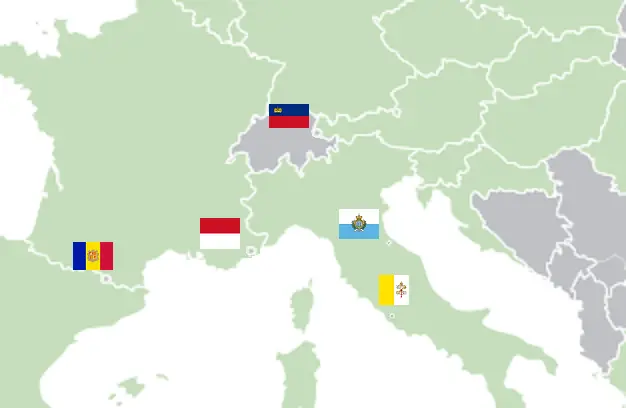
Nauru is the world’s smallest independent republic, and at certain periods in its history, it was also among the richest countries in the world per capita due to phosphate mining. Today it is one of the smallest countries in the world facing serious economic and environmental challenges.
The area of just 8.5 square miles makes Nauru a fascinating case study in how small countries can rise and fall dramatically based on a single natural resource.
Tuvalu — Among the World’s Smallest Countries
Tuvalu is among the world’s smallest countries, with a total land area of just 10 square miles spread across nine islands in the Pacific Ocean. As the second-smallest country in Oceania and one of the smallest countries by area globally, Tuvalu is perhaps best known internationally for its vulnerability to rising sea levels.
This small country with a population of approximately 11,000 people is one of the least visited countries in the world, partly due to its extreme remoteness. Despite this, Tuvalu is a fully recognised sovereign state and one of the ten smallest countries on Earth.
Quick Reference — 10 Smallest Countries by Area
| Rank | Country | Total Land Area | Region |
|---|---|---|---|
| 1 | Vatican City | 0.27 square miles | Europe |
| 2 | Monaco | 0.77 square miles | Europe |
| 3 | San Marino | 24 square miles | Europe |
| 4 | Liechtenstein | 62 square miles | Europe |
| 5 | Malta | 104 square miles | Europe |
| 6 | Maldives | 115 square miles | Asia |
| 7 | Saint Kitts & Nevis | 104 square miles | Americas |
| 8 | Marshall Islands | 70 square miles | Oceania |
| 9 | Nauru | 8.5 square miles | Oceania |
| 10 | Tuvalu | 10 square miles | Oceania |
What Makes These Small Countries So Remarkable?
Despite covering only a fraction of the world by area, these ten smallest countries prove that land area has little to do with a nation’s significance. From Vatican City’s global religious influence to Monaco’s extraordinary wealth, from San Marino’s ancient republic to Nauru’s cautionary economic tale — each of these smallest countries in the world carries lessons far larger than its borders suggest.
The world’s smallest countries are full-fledged members of the global community, each with their own laws, leaders, and legacies. Whether you discovered these nations through a random country generator or through years of geography study, one thing is clear — the smallest countries by area are some of the most interesting places on Earth.
Curious which nations sit at the opposite end of the scale? Check out our list of the largest countries in the world by area.
Curious about the world? So are we. Start exploring with our free Random Country Generator and discover a new country every time you click.
Have a question, suggestion, or just want to say hello? We’d love to hear from you — reach out and we’ll get back to you as soon as possible.
Or if size isn’t the only mystery, discover some of the least known countries in the world most people have never heard of.
Frequently Asked Question – FAQs
What is the smallest country in the world by area?
Vatican City is the smallest country in the world, covering just 0.27 square miles within the city of Rome. Surrounded by Italy on all sides, this tiny sovereign state serves as the headquarters of the Roman Catholic Church. Despite having a population of only around 800 people, Vatican City holds extraordinary global influence in religion, art, and diplomacy.
How many of the 10 smallest countries in the world are in Europe?
Curious to explore more of that continent? Try our Random European Country Generator to discover more nations across Europe. Five of the ten smallest countries in the world are located in Europe — Vatican City, Monaco, San Marino, Liechtenstein, and Malta. This makes Europe the continent with the highest concentration of small countries by area. Each of these nations became an independent country through unique historical circumstances and continues to thrive as a sovereign state today.
What is the second smallest country in the world?
Monaco is the world’s second-smallest country, with a total land area of just 0.77 square miles along the Mediterranean coast. Despite being the second smallest country by area, Monaco is the most densely populated country in the world. It is also one of the wealthiest small countries in the world, known globally for its luxury lifestyle and financial sector.
Which is the smallest island country in the world?
Nauru is the world’s smallest island country and the third-smallest country overall. Located in the Pacific Ocean with a total area of just 8.5 square miles, Nauru is also the smallest independent republic on Earth. At its peak, this tiny island nation was among the richest countries in the world per capita due to phosphate mining.
What is the smallest country in the Americas?
Saint Kitts and Nevis holds the title of smallest country in the Americas, with a total land area of approximately 104 square miles in the Caribbean. This Caribbean island country became an independent country in 1983 and remains one of the smallest countries in the world that operates as a fully functioning democratic nation.
Is Vatican City a real independent country?
Yes, Vatican City is a fully recognised independent country and one of the world’s smallest countries by every measure. It has its own government, laws, currency, passport, and diplomatic relations with nations worldwide. Vatican City is located within a walled area inside Rome and has been an independent sovereign state since the Lateran Treaty of 1929.
What is the smallest country in Oceania?
The Marshall Islands is the smallest country in Oceania by total land area, covering approximately 70 square miles across the Pacific Ocean. However, Nauru — also in Oceania — is the world’s smallest island nation overall. Both countries are among the most vulnerable smallest countries in the world to the effects of climate change and rising sea levels.
Which small country is also the oldest republic in the world?
San Marino holds the remarkable distinction of being both the third-smallest country in the world and the oldest republic in the world, with origins dating back to 301 AD. This tiny country in central Europe has maintained its independence for over 1,700 years, making it one of the most historically significant small countries on Earth.
How is total land area used to rank the smallest countries?
Total land area refers to the complete geographic surface of a country measured in square miles or square kilometres, excluding water bodies. This is the standard measurement used globally to rank the smallest countries by area. Vatican City’s total land area of 0.27 square miles makes it the undisputed smallest by this measure, while countries like Tuvalu — with 10 square miles spread across nine islands — rank among the ten smallest countries in the world.
Are the smallest countries in the world considered developed countries?
Many of the smallest countries in the world are actually among the most prosperous nations globally. Monaco and Liechtenstein, for example, consistently rank among the wealthiest and most developed countries by GDP per capita. However, some small countries like Nauru and Tuvalu face significant economic and environmental challenges despite their status as independent countries and full-fledged members of the international community.
Size isn’t the only thing that keeps a country under the radar, though. Plenty of nations most people have never heard of aren’t tiny at all — they’re just rarely covered in the news or on travel itineraries. If you’re curious which countries fly furthest under the world’s radar, our guide to the least known countries in the world is worth a look.