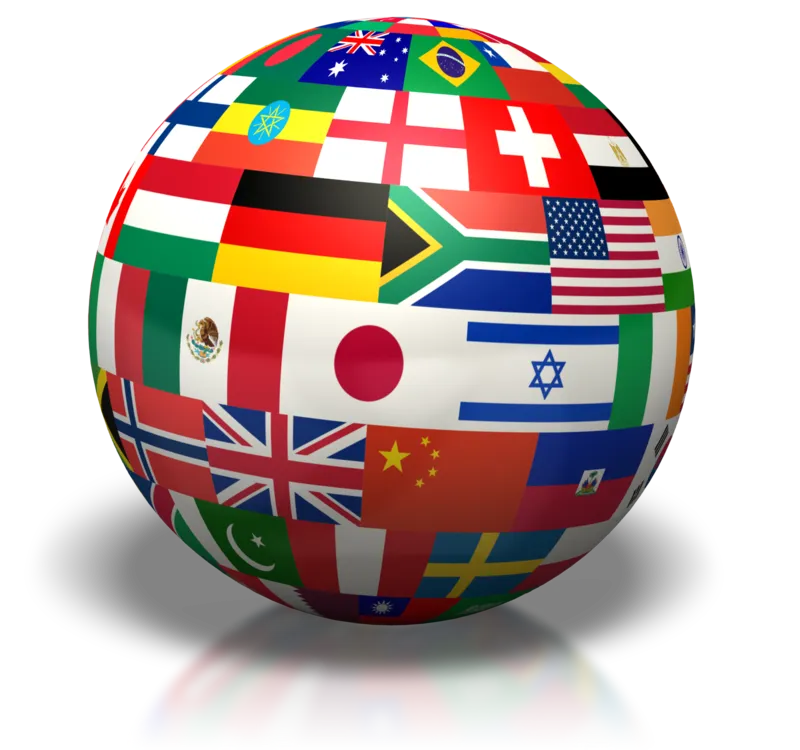
Can anyone actually name every country on a blank outline, no labels, no hints? Most people can point to a handful of nations, guess a few flags, and call it a day. Working through all 195 countries in the world is a real challenge, one that turns casual guessing into a skill that actually sticks. This geography quiz guide breaks that task into rounds: look at a flag, an outline, or a capital city, and try to name the answer before time runs out. It is less about memorizing a list and more about building a mental picture that holds up later. Whether the goal is a classroom activity, a trivia night, or plain curiosity, this guide covers what a good quiz includes, how to take one, and a few tips for scoring better fast.
What Is a Country Quiz, Exactly?
A country quiz is a short round built to see how many nations someone can identify by shape, outline, or capital. Some versions display an outline and ask the player to type the right answer. Others flash a design and offer choices to click through. Either way, a quiz turns passive reading into an active exercise, which is part of why it sticks better than a textbook page ever does.

How Many Countries of the World Can You Name?
Most adults, when asked to list nations off the top of their head, stall out somewhere between 20 and 40. That is a small slice of the full picture. A proper round covers every region, including the Americas, Europe, Africa, Asia, and Oceania, so no continent gets left out. Covering every nation in one sitting is genuinely hard, which is exactly why the quiz format works so well. It breaks a huge task into small, repeatable rounds instead of one overwhelming list.
Use Random Country Generator for test.
How to Find Every Country on the Map
Getting going only takes a moment. Pick a region or go for the full board, then use the country’s colors, outline, or capital shown to find the matching nation. A few practical pointers:
- Start with one continent at a time rather than the whole board at once.
- Lean on the flags first if borders feel tricky, since colors and symbols tend to stick faster than outlines.
- Click through slowly for the first round, then push for speed once the answers feel familiar.
- If a country’s identity will not come to mind, skip it and return at the end instead of getting stuck.
Learning Official Country Names and Flags
Part of the value here is picking up details that never come up in casual conversation, like the formal label for a country versus the short version most people use. Flags carry information too: colors, symbols, and layouts often trace back to history, religion, or culture in ways that make each design easier to remember once the story behind it is known. Learning to connect a flag’s design to its country, and a country to its spot on the board, is what turns a quiz into something that helps long after the round ends.
A Few Countries That Trip People Up
Certain nations get mixed up more than others, and it happens to almost everyone at least once. Austria and Australia are the classic example: similar spelling, completely unrelated continents. In South America, Colombia and Chile sit close together on the board but have very different shapes, which makes them a good pair to practice back to back. Italy is usually easy to spot thanks to its boot-shaped outline, while North America gets simpler once someone learns a handful of anchor nations first and works outward from there. Even a single city, dropped onto a board without labels, can throw off someone who knows the surrounding country perfectly well in any other context.
Fun Geography Facts to Pick Up Along the Way
These rounds tend to hand out small, memorable facts as a side effect. One example: the word “trivia” traces back to the Latin trivium, a spot where three roads met, which is a fitting origin story for a subject built on scattered little facts. Country labels also shift depending on language. What shows up in English on one board might look completely unlike the version used in that nation’s own native language, and noticing that gap is part of the appeal.
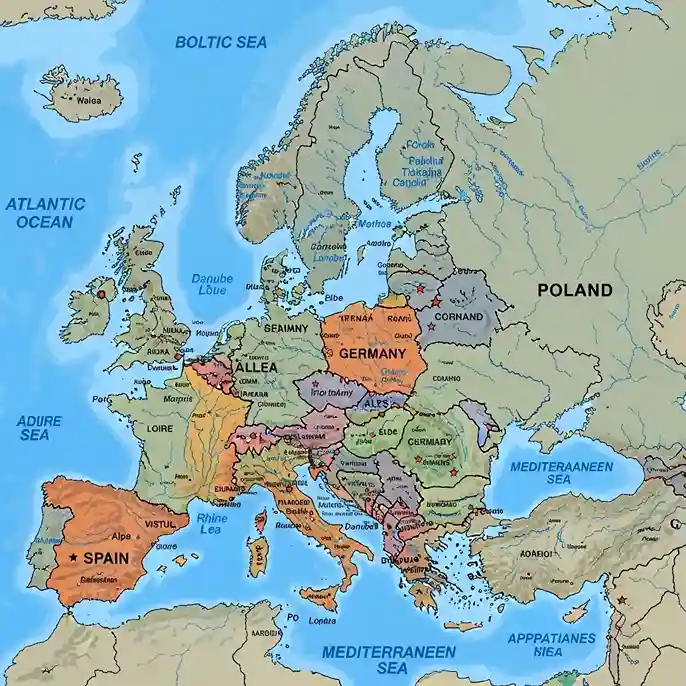
Tips to Test Your Knowledge and Improve Your Score
A few habits separate guessing from actually building real recall that sticks.
- Repeat missed nations at the end of each round instead of moving on and forgetting them.
- Mix up question formats: flags, outlines, and capitals, so the brain builds more than one kind of memory for each country.
- Bring in a friend, sibling, or classmate. Comparing scores makes the whole experience more engaging than practicing solo.
- Keep sessions short. A few focused rounds beat one long, tiring session almost every time.
Anyone who wants real proof of progress should aim to complete the full round at least once, since gaps tend to show up in spots nobody expects, one place at a time.
Frequently Asked Questions
What is this quiz used for?
It gives learners of any age a structured way to practice recognizing nations by shape, outline, or capital, rather than passively reading a list.
Is an outline round harder than a flag round?
Most people find outline-based rounds harder at first, since borders carry fewer obvious clues than colors and symbols do.
Can this support classroom lessons?
Yes. Teachers often use a short round as a warm-up activity before covering a specific region or continent.
What is the best way to begin as a beginner?
Begin with one continent, then expand once those nations feel familiar rather than trying the whole board right away.
Why do those two similarly spelled countries get confused so often?
The names look and sound alike, even though one is a small European country and the other is an entire continent on the opposite side of the planet.
Do flags really help with memory?
Yes, in most cases. Colors and symbols give the brain more to hold onto than a plain outline does.
What happens if a country’s label will not come to mind mid-round?
Skipping it and returning at the end works better than getting stuck, since frustration slows down learning.
Does practicing this way actually improve real-world recall?
Yes. Repetition across flags, outlines, and capitals builds recognition that carries over to news, travel, and everyday conversation.
Anyone ready to see how far they can get without a hint can jump into the quiz below and find out where the gaps really are. For more hands-on practice, the site’s random country generator can serve up a fresh country to study before the next round. Anyone who enjoys spotting small design details might also like a closer look at some of the most interesting flags out there.
Pair this quiz with a broader set of tools and resources for teaching geography to build a complete lesson.