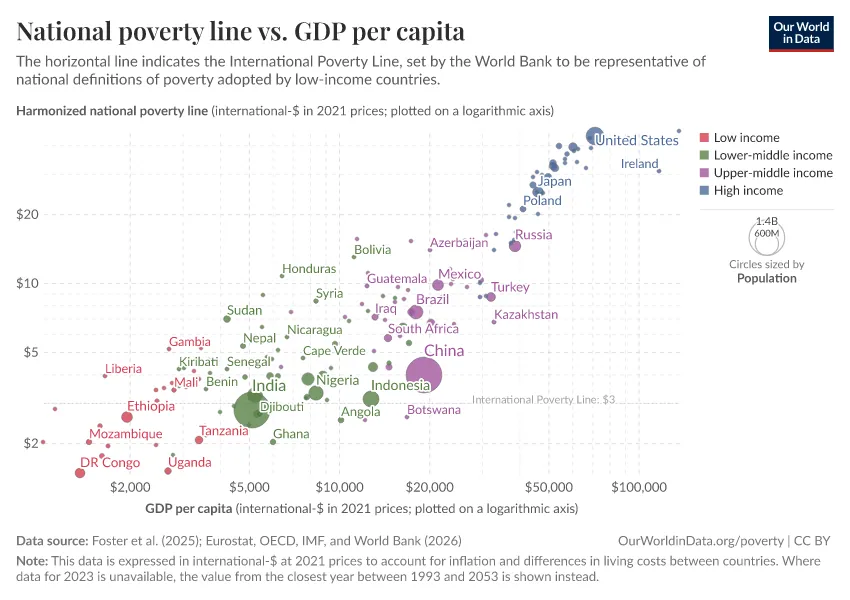
When people talk about the poorest countries in the world, the conversation usually jumps straight to a list of names. But the real story behind these rankings runs deeper than a simple list suggests. GDP per capita, adjusted for purchasing power, tells only part of it, while political instability, drought, and years of conflict tell the rest. Burundi is the poorest country in the world by this measure, and the gap between it and the world’s wealthiest nations is enormous.
This guide breaks down the world’s poorest countries in 2026, explains exactly why they rank where they do, and looks at the real causes behind extreme poverty in these nations, from armed conflict to natural resources that never quite translate into shared prosperity.
How “Poorest Country” Gets Measured
Before looking at the list of the poorest countries, it helps to understand what the ranking is actually based on. Most sources rank the poorest countries in the world using **GDP per capita**, ideally adjusted for purchasing power parity, since that adjustment accounts for differences in living costs between nations. A country’s gdp per capita ppp figure gives a more accurate sense of what that income actually buys locally than a raw dollar amount would.
The World Bank and the IMF World Economic Outlook are the two primary sources most rankings pull from, and their figures can vary slightly depending on methodology and the year’s outlook. Alongside GDP figures, the Human Development Index (HDI) offers a broader picture, combining income with life expectancy, education, and other measures, since economic output per person doesn’t always capture what daily life actually looks like in rural areas.
The poverty rate, based on the international poverty line currently set at $3 per day by the World Bank’s estimates, adds another layer. A country can post a low gdp per capita while still having a smaller share of its population living in extreme poverty, or the reverse, depending on how income gets distributed.
The World’s Poorest Countries in 2026
Here is a look at the top 10 poorest countries in 2026, ranked primarily by GDP per capita PPP, the measure most commonly used to compare living standards across nations.
1. Burundi
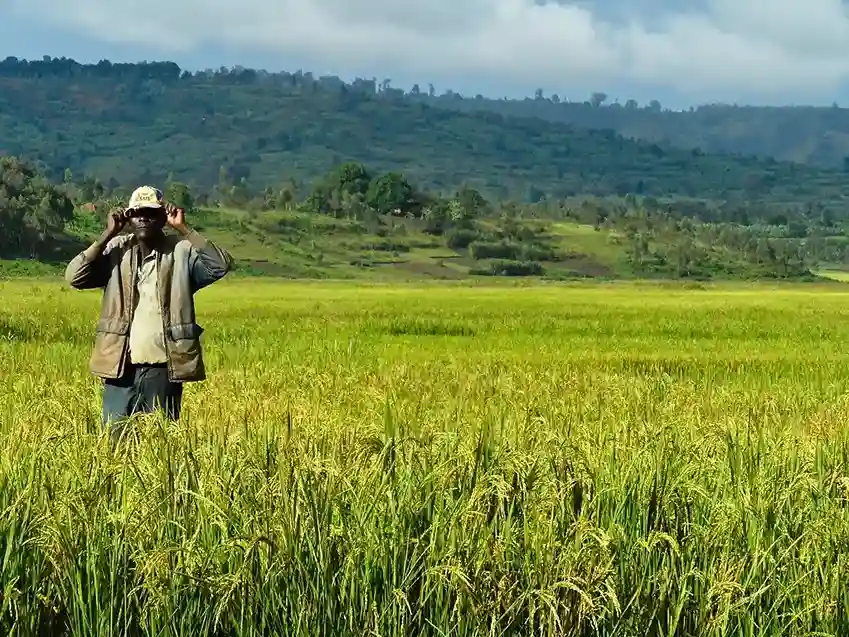
Burundi is the poorest country in the world in 2026, with a gdp per capita that remains among the lowest globally. Landlocked and densely populated, Burundi’s economy depends heavily on subsistence farming, leaving households vulnerable to drought and shifting food prices. Rapid population growth has made it difficult for economic growth to outpace the number of new mouths to feed each year.
2. South Sudan
South Sudan ranks near the very bottom of every major list, a direct result of years of conflict both before and after its 2011 independence. Despite sitting on substantial oil reserves, ongoing insecurity and weak infrastructure have prevented that wealth from reaching most of the population. South Sudan’s gdp per capita reflects a country still rebuilding basic institutions from the ground up.
3. Central African Republic
The Central African Republic has dealt with armed conflict that has repeatedly disrupted farming, mining, and trade. Despite deposits of diamond and other valuable minerals, it remains one of the countries with the lowest human development scores globally, since ongoing disruption has made it nearly impossible to build lasting infrastructure.
4. Somalia
Somalia’s poverty is closely tied to weak central governance and repeated drought cycles that have devastated its largely agricultural and pastoral economy. Food insecurity remains a persistent challenge, and its poverty rate stays stubbornly high even as parts of the country have seen pockets of relative stability.
5. Democratic Republic of the Congo
The Democratic Republic of the Congo presents one of the starkest contradictions on this list. It holds some of the richest mineral deposits on earth, yet weak governance and limited infrastructure mean that wealth rarely reaches ordinary households, particularly in rural areas far from the mining regions in the east.
6. Mozambique
Mozambique has made economic progress in recent years, but recurring cyclones, insurgent violence in its northern provinces, and heavy dependence on agriculture keep living standards low. Large-scale natural gas projects offer future promise, though the benefits have yet to reach most people.
7. Niger
Niger faces some of the harshest climate conditions of any country on this list, with the vast majority of its territory covered by desert. Limited arable land and recurring drought make it difficult for economic growth to keep pace with basic needs, and access to electricity remains scarce across much of the country.
8. Malawi
Malawi’s economy relies heavily on agriculture, particularly tobacco exports, which leaves it exposed to global price swings and unpredictable weather. Much of the population lives in rural areas with limited access to modern infrastructure or reliable healthcare.
9. Chad
Chad combines oil wealth with widespread poverty for much of its population, a familiar pattern among resource-dependent nations with weak governance. Instability along its borders and dependence on a single export commodity leave the country’s economic outlook fragile.
10. Liberia
Liberia continues rebuilding decades after its civil wars ended, with infrastructure, education and healthcare systems still catching up. Its gdp per capita remains among the lowest globally, though gradual gains in political stability offer some room for cautious optimism.
Why These Countries Stay Poor: The Real Causes
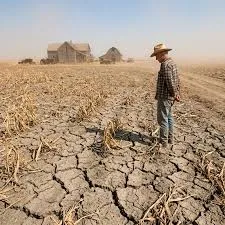
Poverty at this scale rarely comes down to one single factor. A handful of causes show up again and again across the poorest nations in the world.
Decades of conflict. Countries such as Burundi, South Sudan, the Central African Republic, and Somalia have all experienced extended periods of civil war that destroyed infrastructure, displaced millions of people, and made long-term investment nearly impossible.
Political instability. Frequent changes in leadership, weak institutions, and corruption make it difficult to plan or fund lasting development projects, even when foreign aid or humanitarian assistance provides short-term relief.
Climate vulnerability. Many of these countries depend on rain-fed agriculture, so a single bad season of drought can push a population toward food shortages almost overnight, disrupting years of gradual progress.
Resource wealth without infrastructure. Countries like the Democratic Republic of the Congo and Chad hold enormous natural resources, yet without functioning roads, ports, and institutions, that wealth rarely reaches the average household.
Population growth outpacing the economy. Some of the poorest countries also have among the highest birth rates globally, meaning economic growth has to outpace population growth just to keep living standards from slipping further, a challenge that compounds when droughts or conflict disrupt farming at the same time.
Poorest Countries vs. Richest Countries: A Massive Gap
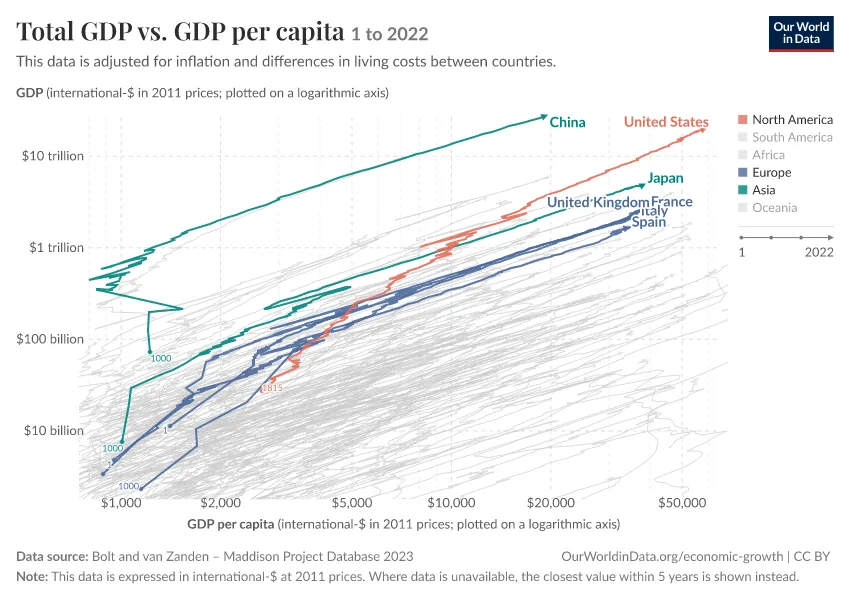
The contrast between the world’s poorest nations and the richest countries in the world is staggering. A resident of Burundi earns a small fraction of what a resident of Luxembourg or Switzerland earns in a typical year, even after adjusting figures for purchasing power. For a full breakdown of the other end of this spectrum, see our guide to the richest countries in the world by GDP, which covers how small, developed countries post per-person figures that dwarf even the largest economies on earth.
Where richest countries often benefit from strong financial sectors or well-managed natural resources, several of the poorest countries hold valuable resources too, just without the institutions needed to convert that wealth into a decent standard of living.
Life in Some of the World’s Poorest Countries
Daily life across these nations varies, but common threads include limited healthcare, inconsistent food supplies, and fewer opportunities for reliable income, particularly away from capital cities. Life expectancy tends to run well below the global average in several of these countries, and clean water can be hard to come by depending on the season.
That said, progress is not out of reach. Several countries on this list have made meaningful gains recently, whether through improved governance, foreign investment, or simply a stretch of relative peace after years of conflict. Humanitarian crises still flare up periodically, particularly around drought and displacement, but the long-term trend in places like Liberia shows recovery is possible.
Explore More Countries With the Random Country Generator
Curious how these nations compare to the rest of the world? The random country generator is a simple way to explore countries you might not think about every day. With one click, it pulls a random country in Africa or anywhere else across all 195 nations, whether that’s one of the countries covered here or a wealthy financial hub on the opposite end of the spectrum.
For a deeper dive into the continent home to many of these nations, fun facts about continents covers some of the surprising details behind Africa and beyond.
Quick Facts About the World’s Poorest Nations
- Burundi’s population is over 90 percent rural, with most households relying on small-scale farming to get by.
- South Sudan is one of the world’s youngest countries, having gained independence in 2011, yet it has faced near-continuous conflict since.
- The Democratic Republic of the Congo holds mineral reserves worth trillions of dollars, including deposits critical to global battery production.
- Niger’s population is one of the fastest-growing on earth, with a median age under 16.
- Chad shares borders with six countries, several of which have faced their own instability, compounding regional challenges.
Frequently Asked Questions
1. What is the poorest country in the world in 2026?
Burundi typically ranks as the poorest country in the world by GDP per capita, though South Sudan and the Central African Republic are close behind depending on the year and data source used.
2. How is the poorest country in the world determined?
Most rankings rely on GDP per capita adjusted for purchasing power, alongside human development index data and poverty rate figures from the World Bank and IMF World Economic Outlook.
3. Why is South Sudan one of the world’s poorest countries?
South Sudan’s economy has been devastated by years of conflict both before and after independence in 2011, despite the country holding substantial oil reserves.
4. What role does natural resource wealth play in poverty?
Countries such as the Democratic Republic of the Congo and Chad hold significant resources, but weak infrastructure and governance often prevent that wealth from reaching most of the population.
5. How does GDP per capita PPP differ from regular GDP per capita?
GDP per capita adjusted for purchasing power accounts for differences in living costs between countries, offering a more accurate picture of what income actually buys locally compared to a raw dollar figure.
6. What percentage of people live in extreme poverty in these countries?
Rates vary widely, but in several of the world’s poorest nations, a large share of the population lives below the poverty line of $3 per day.
7. Are any of the world’s poorest countries improving?
Yes. Several countries, including Liberia and Mozambique, have shown gradual gains in stability and economic growth in recent years, even though gdp per capita remains low by global standards.
8. How does the international poverty line get defined?
The World Bank sets the figure, currently $3 per day, used to estimate what share of a country’s population lives in extreme poverty across different economies.
9. What is the connection between drought and poverty in these countries?
Many of the poorest countries depend heavily on rain-fed agriculture, so a bad season can quickly cause food insecurity, particularly in places like Niger and Somalia.
10. How do the poorest countries compare to the richest countries in the world?
The gap is enormous. Residents of the richest countries in the world often earn well over one hundred times what residents of the poorest nations earn annually, even after adjusting for purchasing power.
Final Thoughts
The poorest countries in the world in 2026 share overlapping causes: political instability, drought, and decades of conflict, paired with natural resources that never quite translate into shared prosperity. Understanding gdp per capita, PPP, and human development helps explain why these particular nations rank where they do, and why recovery in places like Liberia tends to happen gradually rather than overnight.
Curious how these countries compare to the rest of the world? Click over to the random country generator.
Many of the countries on this list share a region in common, and if you want to explore that part of the world further, our random African country generator is a good place to start — click through and see which nation comes up next.
Here is the list of the best countries you must make a tour of: Best Countries to Visit.