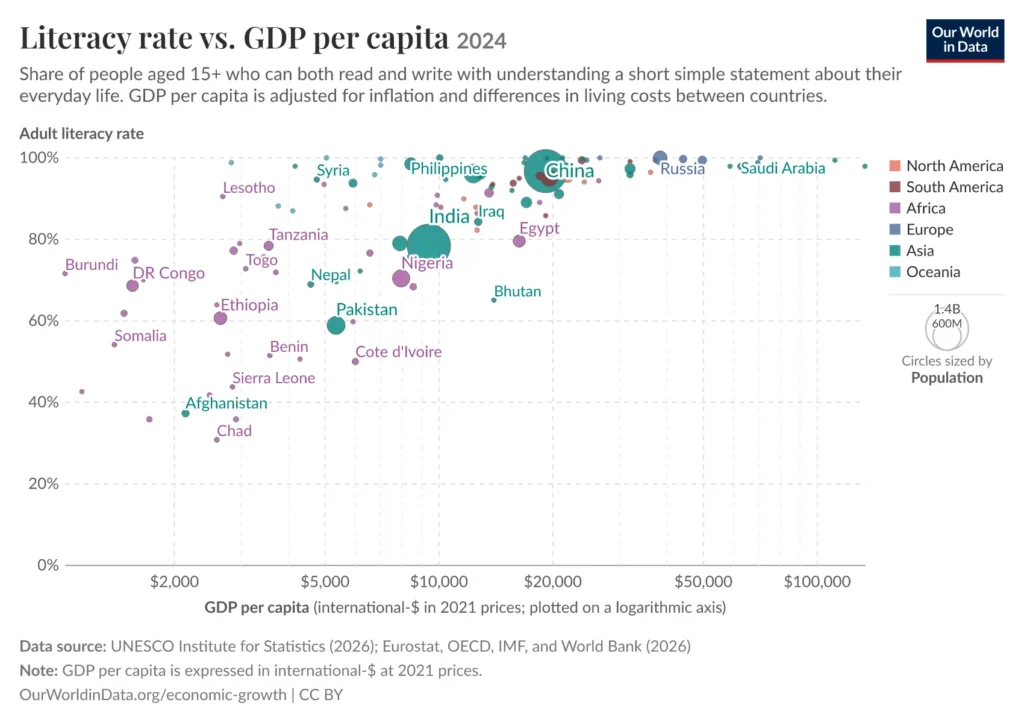
When people picture the richest countries in the world, giant economies like the United States or China usually come to mind first. But GDP per capita tells a very different story. Small nations most travelers could barely point to on a map regularly outrank global superpowers once total output gets divided by population. Luxembourg is the richest country in the world by this measure, and it is not particularly close.
This guide walks through the wealthiest nations on the planet in 2026, explains exactly how GDP per capita is calculated, and clears up the confusion between total GDP and per capita figures. By the end, the difference between a country’s overall economic size and its actual wealth per resident should be much easier to spot.
What Does “Richest Country in the World” Actually Mean?
Before diving into the rankings, it helps to define terms of GDP per capita clearly, because “rich” gets used loosely and it changes the entire list depending on which measurement gets applied.
Total GDP measures the overall value of all goods and services a country produces in a year. This is the number that puts the United States, China, and Germany at the top, simply because they have enormous populations and correspondingly large economies.
GDP per capita divides that total GDP by the population, giving a rough sense of average economic output per person. This is where smaller, wealthy nations rise to the top of the list, since a small population divided into a strong economy produces a much higher number per person than a massive population divided into an even larger economy.
Gross national income (GNI) per capita is a close cousin of GDP per capita but also factors in income earned by citizens working abroad and money sent home, minus payments made to foreign investors. Institutions like the World Bank often prefer GNI per capita because it captures money that actually flows back to residents, not just what happens to be produced within a country’s borders.
Purchasing power parity (PPP) adjusts these figures for the cost of living, since a dollar goes a lot further in some countries than others. A country with high nominal GDP per capita but also a high cost of living might rank differently once PPP gets factored in, which is one reason several European countries swap positions depending on which measure gets used.
Understanding these distinctions matters because the country ranked richest in the world changes depending on which of these four measures gets applied, and headlines don’t always specify which one they mean.
For this list, nominal figures serve as the primary measure, since GDP per capita is the number most commonly cited in comparisons of countries by GDP per capita and offers the clearest year-over-year snapshot of a country’s gdp per capita in 2026. Gross domestic product, or GDP, is the underlying figure economists start with before adjusting for population, exchange rates, or cost of living.
The Top 10 Richest Countries in the World (2026)
Here is a look at the countries in the world ranked by GDP per capita this year, based on figures from the World Bank and the IMF’s World Economic Outlook. The list of richest countries in 2026 continues to be dominated by financial hubs and resource-rich nations, though the order shuffles slightly from year to year.
1. Luxembourg
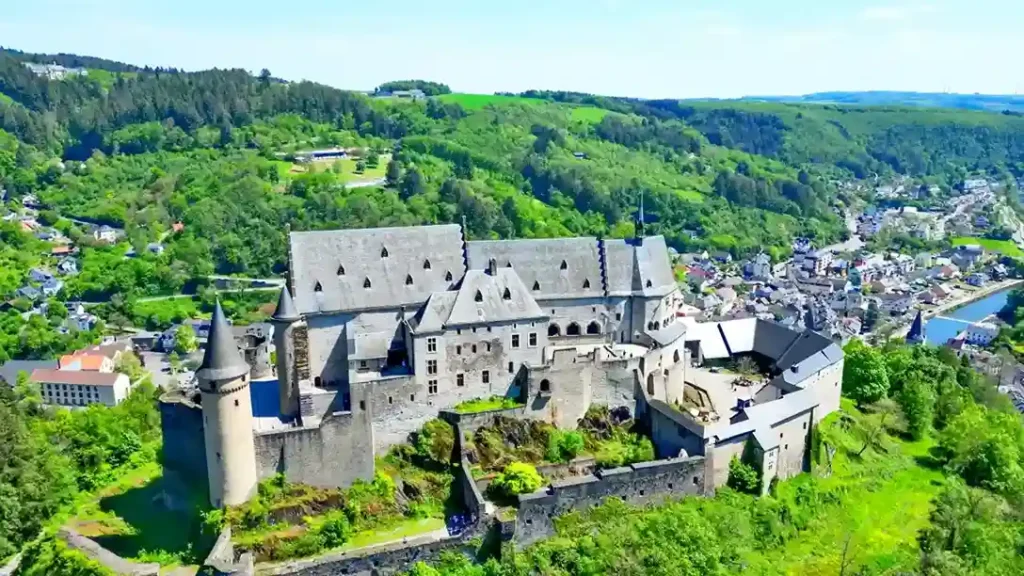
Luxembourg is, in fact, the richest country in the world, driven largely by its outsized financial industry. Despite having a population of just over 650,000, the country hosts an enormous concentration of banks, investment funds, and insurance firms. Luxembourg’s GDP per capita regularly tops six figures in US dollars, a reflection of how much wealth that industry generates relative to its small population. Low corporate tax rates have also helped attract multinational firms to headquarter operations there.
2. Ireland
Ireland’s GDP looks unusually large for a country of only about 5 million people, and the reason comes down to how multinational corporations report earnings. Many US tech and pharmaceutical companies base their European headquarters in Ireland, which inflates its reported GDP figures well beyond what everyday households actually experience. Even accounting for this distortion, Ireland remains one of the richest countries in Europe by any measure.
3. Norway
Norway’s wealth comes from a mix of oil and natural resource exports, a highly educated workforce, and a sovereign wealth fund built specifically to preserve oil revenue for future generations. Unlike many resource-dependent nations, Norway avoided over-reliance on a single revenue stream by investing heavily in social programs, giving residents an unusually high standard of living alongside strong economic output.
4. Switzerland
Switzerland combines a powerful financial sector with world-class manufacturing in pharmaceuticals, precision instruments, and watches. Political stability, low inflation, and a strong currency have kept the country among the wealthiest countries in the world for decades, not just a single boom cycle.
5. Singapore
Singapore transformed from a small port city into a major financial and trade hub in just a few decades. Its strategic location, business-friendly corporate tax policies, and heavy investment in education have made it one of the richest countries in Asia and a magnet for international finance.
6. Qatar
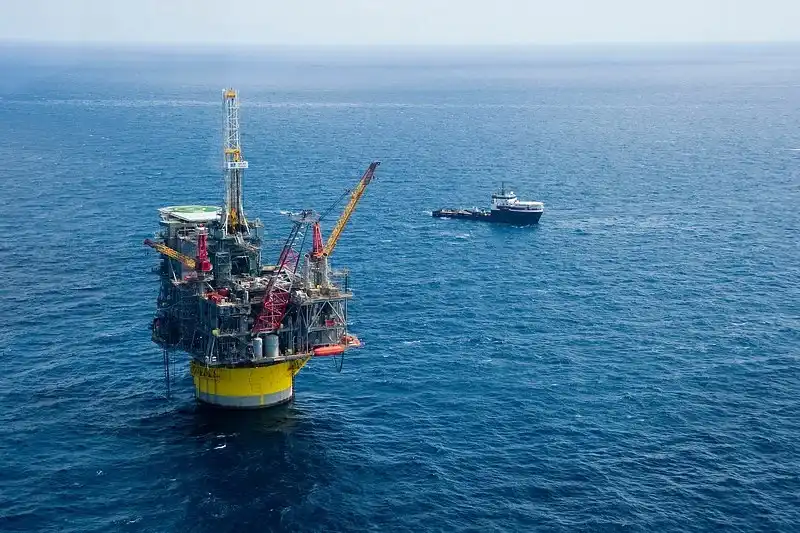
Qatar’s economy runs largely on natural gas exports. With a small citizen population and enormous energy reserves, Qatar’s GDP per capita ranks near the very top, even though its overall economic output is modest compared to larger economies.
7. United Arab Emirates
The United Arab Emirates built much of its wealth on oil exports before deliberately diversifying into tourism, finance, and trade. Dubai in particular has become a global business hub, helping keep the UAE ranked highly even as oil’s share of the economy shrinks.
8. United States
The United States is indeed the richest country in the world by total GDP, and it also lands comfortably in the top 10 by GDP per capita. A diverse economy spanning technology, finance, energy, agriculture, and manufacturing keeps overall output high, and its share of global GDP remains larger than that of any other single nation.
9. Denmark
Denmark pairs a strong social safety net with a highly productive economy centered on shipping, pharmaceuticals, and renewable energy. High taxes fund extensive public services, but Denmark’s GDP per capita and quality-of-life rankings consistently place it near the top of global wealth rankings, a sharp contrast to the poorest countries in the world, where GDP per capita often sits a fraction as high.
10. Iceland
Iceland’s small population of around 375,000 combined with a strong fishing industry, tourism boom, and growing tech sector give it one of the highest GDP per capita numbers worldwide relative to its size.
How These Rankings Are Actually Calculated
Gross domestic product represents the total value of goods and services a country produces, but the exact numbers reported can vary depending on the source. The World Bank’s databases, the International Monetary Fund, and individual national statistics offices sometimes report slightly different official GDP data for the same country and year, because each uses its own methodology and exchange rate assumptions. Some analysts also prefer per capita GDP over raw totals, since it strips out population size entirely.
It’s also worth noting that GDP figures are inflated in certain countries due to how multinational corporations book profits. Ireland and Luxembourg are the two clearest examples: both host outsized financial and corporate activity relative to their small populations, which pushes their GDP per capita figures higher than what average residents actually experience day to day.
Natural resource wealth plays a major role for countries like Qatar, Norway, and the UAE, while strong banking and finance industries drive the numbers for Luxembourg, Switzerland, and Singapore. Both paths can produce similar-looking rankings, even though the underlying economies work very differently.
Richest Countries vs. Largest Economies: What’s the Difference?
It’s easy to conflate the richest countries in the world with the largest economies, but the two lists rarely match. Overall economic size rewards population, so the United States, China, India, and Japan dominate rankings of the largest economies in the world simply because they have hundreds of millions or billions of residents. GDP per capita rewards a strong economy divided among relatively few people, which is why Luxembourg or Singapore, some of the smallest countries on the list, can outrank countries with a far larger overall economy. This list highlights the countries with the highest GDP per capita worldwide, not necessarily the ones producing the most in total. For a lighter look at how nations compare on trivia rather than economics, the fun facts about continents roundup covers some of the surprising details behind these same countries.
What Daily Life Looks Like in These Wealthy Nations
A high GDP per capita doesn’t automatically translate into a comfortable life for every resident, but in most of the countries on this list it does correlate with strong infrastructure, quality healthcare, and reliable public services. Wealthy countries like Norway, Denmark, and Switzerland consistently score well on global happiness and quality-of-life indexes, not just economic output.
That said, gdp measures production, not distribution. GDP per capita can look impressive on paper for a wealthy nation while income inequality leaves a meaningful share of the population without the same standard of living the average implies. Steady gdp growth over recent years has helped several of these nations climb the rankings, but this is one reason economists increasingly look at gni per capita and wealth per adult alongside the raw totals when assessing genuine prosperity.
Explore More Countries With the Random Country Generator
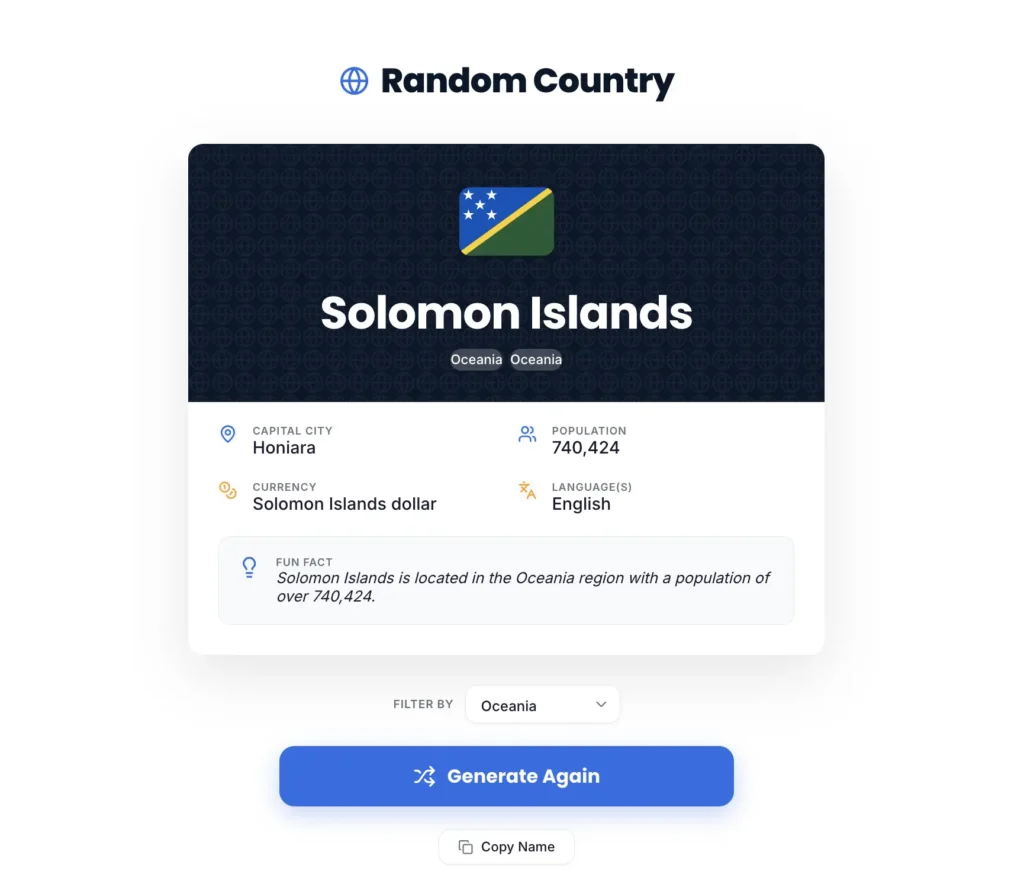
Curious how these wealthy nations stack up against the rest of the world? The random country generator is a simple way to explore countries you might not think about every day. With one click, it pulls a random country in the world from all 195 nations, whether that’s a European powerhouse like Switzerland or a country most people rarely hear about at all. Continent filters make it easy to focus on a specific region, whether that’s Europe’s cluster of wealthy nations or a completely different part of the globe. Teachers and classrooms curious about pairing this list with a hands-on activity can check out how to use a country generator for classroom geography lessons.
For anyone who wants to explore the continent behind many of these prosperous, sovereign countries in more depth, the Asian country generator is a good next stop, since two of the highest-ranked nations here, Singapore and Qatar, sit within Asia. And for travelers wondering whether wealth translates into a great trip, the best countries to visit guide ranks nations by experience rather than economics.
Fun Facts About the World’s Wealthiest Nations
- Luxembourg’s population could comfortably fit inside a single mid-sized American city, yet its GDP per capita competes with countries hundreds of times its size.
- Norway’s sovereign wealth fund, built from oil revenue, is one of the largest single investment funds on the planet.
- Qatar hosted the FIFA World Cup in 2022, using a portion of its natural gas wealth to build stadiums essentially from scratch.
- Singapore has no natural resources of its own and still ranks among the richest countries in the world, powered almost entirely by trade, finance, and education.
- Ireland’s low-tax policies have made it home to European headquarters for some of the world’s largest technology companies.
Frequently Asked Questions
What is the richest country right now?
Luxembourg holds the top spot in most rankings of richest countries in the world by GDP per capita, largely due to its outsized financial sector relative to its small population.
Is the United States the richest country in the world?
The United States is the richest country in the world by total GDP, but it typically ranks just outside the very top spots for GDP per capita, behind smaller nations like Luxembourg and Ireland.
What’s the difference between GDP and GDP per capita?
Total GDP represents a country’s entire economic output, while GDP per capita divides that figure by the population, giving a sense of average output per resident rather than overall economic size.
Why is Ireland’s economy per person so wealthy?
This is heavily influenced by multinational corporations, particularly US tech and pharmaceutical firms, that book significant profits through their Irish operations, inflating the official numbers well beyond what typical households see.
How does the World Bank calculate GDP per capita?
The World Bank divides a country’s total GDP, converted to US dollars, by its midyear population, typically drawing on national accounts data reported by each country’s government.
How much does resource wealth matter for national income?
Countries like Qatar, Norway, and the UAE built significant wealth on natural resource exports, particularly oil and natural gas, though each has approached long-term economic diversification differently.
Are the richest countries also the happiest countries?
Not always, but there’s meaningful overlap. Countries like Norway and Denmark rank highly on both GDP per capita and global happiness indexes, since strong economies often fund the public services that support quality of life.
What is GNI per capita and how is it different from GDP per capita?
Gross national income per capita accounts for income earned abroad by a country’s residents and companies, while GDP per capita only counts economic activity that happens within a country’s borders.
Which European nations are considered the wealthiest?
Luxembourg, Ireland, Switzerland, Norway, and Denmark all rank among the world’s richest countries by GDP per capita, making Europe home to a disproportionate share of the global top 10.
Do rich countries have the largest economies?
Not necessarily. Countries like the United States and China rank among the largest economies mostly due to population size rather than GDP per capita, while smaller countries with fewer residents often top the per capita rankings instead.
Final Thoughts
The richest nations on the planet aren’t always the names people expect. Overall economic output and GDP per capita tell two very different stories, and once population size gets factored out, small nations with strong banking industries or resource wealth consistently rise to the top. Whether it’s Luxembourg’s finance industry, Norway’s oil fund, or Singapore’s trade economy, each of the world’s wealthiest countries got there through a different path. Anyone who wants to discover the richest countries by a different metric entirely, such as PPP or GNI, will find the top 10 countries shuffle around slightly depending on which figure gets used, though the same handful of nations tend to dominate the richest countries per capita rankings year after year.
Ready to explore more of the world beyond the wealthiest nations? Click over to the random country generator and see which of the 195 countries comes up next, whether that lands on a richest country per capita leader or somewhere else entirely.
For the other end of the spectrum, see how the poorest countries in the world compare on GDP per capita and what keeps them there.
A number of the world’s wealthiest nations cluster in one part of the globe, and if you’d like to explore that region a little further, our random European country generator is a good place to start — click through and see which country comes up.